Does Numbing Cream Really Work for Tattoos?
Quick Answer: Does Numbing Cream Work for Tattoos?
- Numbing cream can help reduce tattoo discomfort for many people, but it does not always remove every sensation completely.
- How well it works depends on the cream used, your pain tolerance, tattoo placement, skin type, and how correctly the product is applied.
- Most numbing creams need time to work and are usually applied before the session according to product directions.
- Some people may experience mild irritation or sensitivity, so patch testing and careful reading of instructions are important.
- If you are shopping in South Africa, choose products responsibly, read descriptions carefully, and ask your tattoo artist or a qualified professional if you are unsure.
Many people ask the same question before booking their appointment: does numbing cream really work for tattoos? In most cases, yes, it can help reduce pain and make the experience feel more manageable. That said, the effect is not identical for everyone, and it should be used carefully and responsibly.
A good tattoo numbing cream is designed to temporarily reduce discomfort on the skin’s surface before tattooing begins. It may help especially if you are getting tattooed in a sensitive area, have a lower pain tolerance, or simply want a more comfortable session.
In this guide, we explain how tattoo numbing cream works, what ingredients are commonly used, what affects its effectiveness, and what safety points you should keep in mind. The aim is to help you make an informed, realistic decision before your next session.

Numbing creams may help reduce tattoo discomfort, but individual experiences can vary.
What Is Numbing Cream?
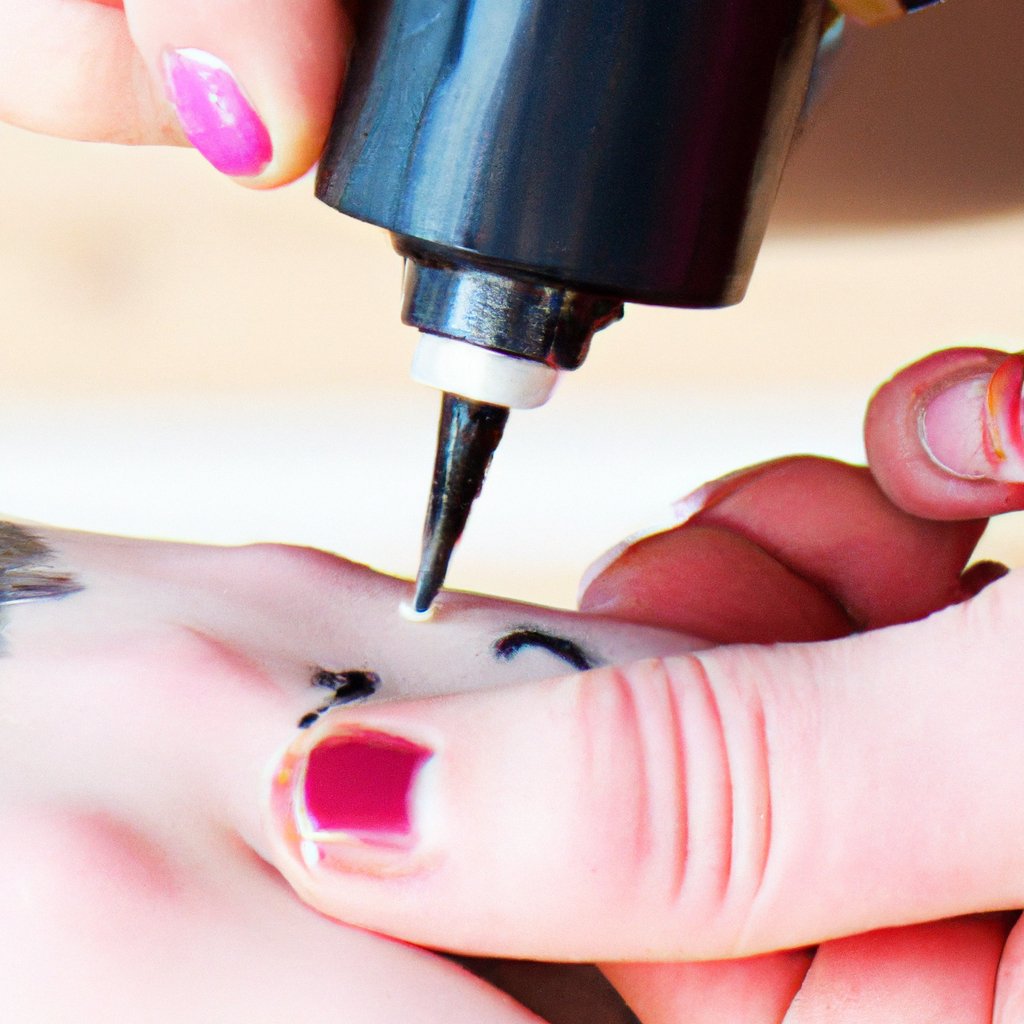
Numbing cream is a topical product applied to the skin to temporarily reduce sensation in a specific area. For tattoos, it is used before the session to help decrease pain and discomfort while the artist works.
These creams are commonly described as topical anesthetics. In simple terms, they help dull the skin’s pain response for a limited time. They are not the same as complete pain removal, and they are not a guarantee of a pain-free tattoo.
Common Ingredients Found in Tattoo Numbing Cream
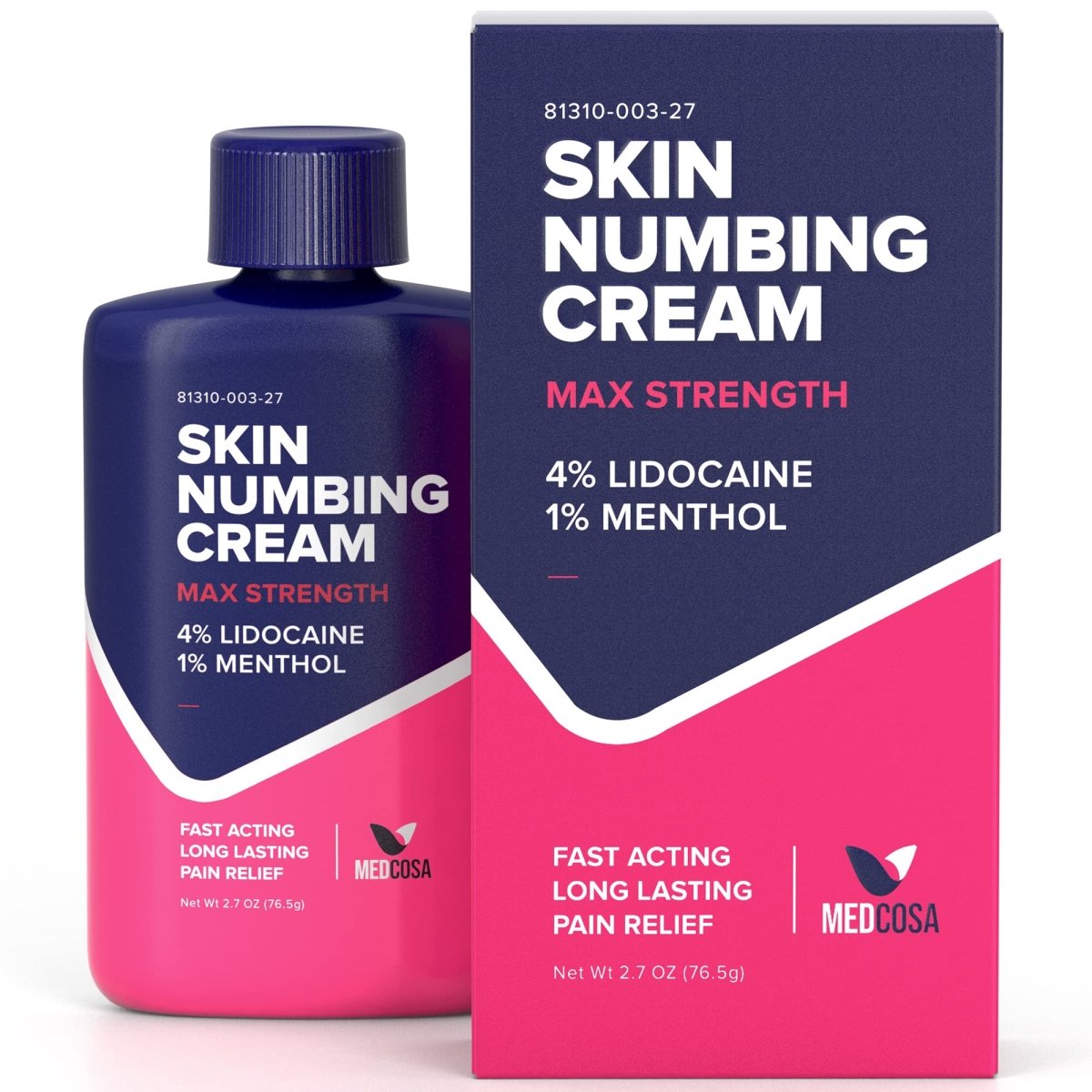
Many numbing creams contain active ingredients such as lidocaine, prilocaine, or benzocaine. These ingredients are commonly used in topical formulas intended to reduce surface-level discomfort.
Some products may also include moisturising or soothing ingredients to improve texture and application. Depending on the formula, this can help the cream spread more evenly and sit comfortably on the skin.
If you are considering a numbing product, it helps to compare formula details with other beauty and self-care options available through the Foxy Beauty online store in South Africa.
How Does Numbing Cream Work for Tattoos?
Numbing cream works by temporarily reducing the skin’s ability to send pain signals as strongly as usual. Once applied and left on for the recommended amount of time, the active ingredients begin to affect the surface nerve endings in that area.
This is why timing matters. One common mistake is expecting an immediate effect. Most products need time to absorb and begin working properly, which is why following directions carefully matters so much.
Direct answer for searchers
Yes, numbing cream can work for tattoos by reducing discomfort during the session. However, it usually does not remove all feeling, and results differ depending on the product, application method, body area, and individual pain tolerance.
Does Numbing Cream Really Work for Tattoos?
For many people, yes. Numbing cream can make a noticeable difference during tattoo sessions. It may reduce sharpness, stinging, and overall discomfort enough to help the session feel more tolerable.
But it is important to keep expectations realistic. A numbing cream may reduce pain rather than eliminate it. Some people still notice pressure, vibration, scratching, or discomfort, especially during longer sessions or in more sensitive areas.
So if you are asking whether tattoo numbing cream is worth trying, the honest answer is that it can be useful for many people when chosen carefully and used properly. It is not a magic solution, but it may help improve comfort.

The effectiveness of tattoo numbing cream often depends on the formula, timing, and the person using it.
What Affects How Well It Works?
1. The strength and formula
Different creams contain different ingredients and concentrations. Some formulas may provide more noticeable numbing than others, while some may be better suited to sensitive skin or shorter sessions.
2. Your pain tolerance
Pain tolerance varies from person to person. A cream that feels highly effective for one person may feel only moderately helpful for another.
3. Tattoo placement
Areas with thinner skin, more nerve endings, or less natural padding often feel more intense during tattooing. Even with numbing cream, these spots may still feel uncomfortable.
4. Application method
If the cream is not applied correctly, not left on long enough, or removed too soon, it may not work as expected. Following product instructions is essential.
5. Session length
Some creams may feel strongest at the beginning of the session and then gradually wear off. Longer sessions may still become more uncomfortable over time.
Mid-article shopping tip
If you are comparing self-care and beauty products online in South Africa, browse the skincare collection or the beauty tools collection for complementary categories. Always check each product’s description, intended use, and suitability for your own needs before purchasing.
How to Apply Numbing Cream Responsibly Before a Tattoo
While exact directions depend on the product, tattoo numbing creams are generally applied to clean, dry skin before the appointment. In many cases, the cream is spread generously over the area and left on for a specified amount of time.
Some products recommend covering the area to help with absorption. Others may have different guidance. Because formulas differ, it is important to follow the manufacturer’s instructions and confirm with your tattoo artist if they are comfortable working with the product you choose.
Safe step-by-step overview
- Clean and dry the tattoo area carefully.
- Apply the numbing cream as directed on the product label.
- Allow enough time for it to work, based on the product instructions.
- Check with your tattoo artist before the session begins.
- Stop use if irritation occurs and seek professional guidance if needed.
Safety and Possible Side Effects
Numbing creams are often considered safe when used as directed, but they are not suitable for careless use. Some people may experience redness, itching, mild irritation, or sensitivity.
A patch test can be a sensible precaution, especially if you have reactive skin or known sensitivities. Numbing cream should not be applied to broken, irritated, or damaged skin unless the product guidance clearly supports that use and a qualified professional has advised you appropriately.
This article is educational only and does not replace medical advice. If you have allergies, skin concerns, or questions about suitability, professional guidance is the safest route.
Pros and Cons of Using Numbing Cream for Tattoos
Advantages
- May reduce tattoo-related discomfort
- Can make a session feel more approachable for nervous clients
- May be helpful for sensitive body areas
- Can support a more comfortable overall experience for some people
Possible disadvantages
- May not work equally well for everyone
- Can cause irritation or sensitivity in some users
- May wear off during a long appointment
- Improper use may reduce effectiveness
Different Types of Numbing Creams
Traditional numbing creams
These usually rely on well-known topical anesthetic ingredients and are often the first type people consider for tattoos.
Water-based formulas
These can feel lighter on the skin and may be preferred by some users who want a less heavy texture.
Premium formulas
Some products include additional soothing or skincare-focused ingredients. This does not necessarily mean they are right for everyone, but it gives shoppers more options depending on preference and skin needs.
Common Myths About Tattoo Numbing Cream
Myth: It makes tattoos completely pain-free
In reality, many people still feel some level of sensation. It can reduce discomfort, but full numbness is not guaranteed.
Myth: It works instantly
Most products need time to absorb. Immediate effects are not typical.
Myth: It changes the tattoo permanently
Numbing cream does not permanently alter the tattoo itself. Once the effect wears off, normal sensation returns.
Other Ways People Manage Tattoo Discomfort
Some people combine numbing cream with practical comfort strategies like staying hydrated, getting enough rest before the session, wearing comfortable clothing, and using simple distraction techniques such as music or conversation.
Cold compresses and other topical options are sometimes discussed too, but it is best to check what your tattoo artist prefers for your appointment. Good communication with your artist can make a big difference.
What should you consider before buying?
- Read the ingredient list carefully.
- Check how long the product should stay on the skin.
- Look for clear usage instructions and warnings.
- Think about your skin sensitivity and tattoo placement.
- Ask your tattoo artist whether they are comfortable working with the product.
- Choose based on your own needs rather than hype or unrealistic promises.
Foxy Beauty offers a wide range of beauty, skincare, aesthetic, and self-care products online in South Africa. If you are exploring broader categories beyond topical comfort products, you can also browse collections like Korean skincare and skin boosters. Professional products should always be used responsibly, and qualified guidance is recommended where relevant.
Customer experiences
★★★★★
“I was nervous about my tattoo appointment, and reading through the product details helped me know what to expect. I appreciated the clear information and realistic advice.”
— Lerato, Johannesburg
★★★★★
“What I liked most was the balanced explanation. It did not overpromise, and it made it easier to compare options before buying online in South Africa.”
— Megan, Cape Town
★★★★★
“I always prefer to read product instructions first, and this kind of guidance is helpful. It gave me useful questions to ask before my session.”
— Tasha, Durban
Frequently Asked Questions
1. Does numbing cream completely stop tattoo pain?
Not usually. It may reduce discomfort, but many people still feel some pressure, scratching, or sensitivity during the tattoo session.
2. How long before a tattoo should numbing cream be applied?
This depends on the specific product. Always follow the label instructions carefully and confirm with your tattoo artist before your appointment.
3. Can anyone use tattoo numbing cream?
Not necessarily. Skin sensitivity, allergies, and individual circumstances can affect suitability. A patch test and professional guidance may be helpful if you are unsure.
4. Does numbing cream affect tattoo quality?
It does not permanently affect the tattoo itself, but some artists may prefer certain products or application methods. It is best to discuss it with your tattoo artist beforehand.
5. Where can I shop beauty and self-care products online in South Africa?
You can explore the Foxy Beauty main collection for a wide range of beauty, skincare, aesthetic, and self-care products. Review each product description carefully before choosing what suits your needs.
Final thoughts
Numbing cream can be a helpful option for tattoos, especially if you want to make the session feel more manageable. It may reduce pain, but it does not work exactly the same way for everyone, and it should be used with realistic expectations.
If you are shopping for beauty and self-care products in South Africa, Foxy Beauty offers a wide online selection across skincare, beauty tools, and aesthetic categories. Take time to read each product description carefully, consider your own skin and comfort needs, and seek professional guidance where relevant.
Editorial note
Written for Foxy Beauty customers looking for clear, helpful beauty, skincare, aesthetic, and self-care guidance in South Africa. This content is created to help shoppers understand product categories, compare options, and make more confident beauty buying decisions.
This article is for educational purposes only. It does not replace medical advice. Beauty and skincare routines should be chosen according to individual needs, and professional products should be used responsibly. Customers should seek qualified guidance where relevant, especially for advanced aesthetic categories.