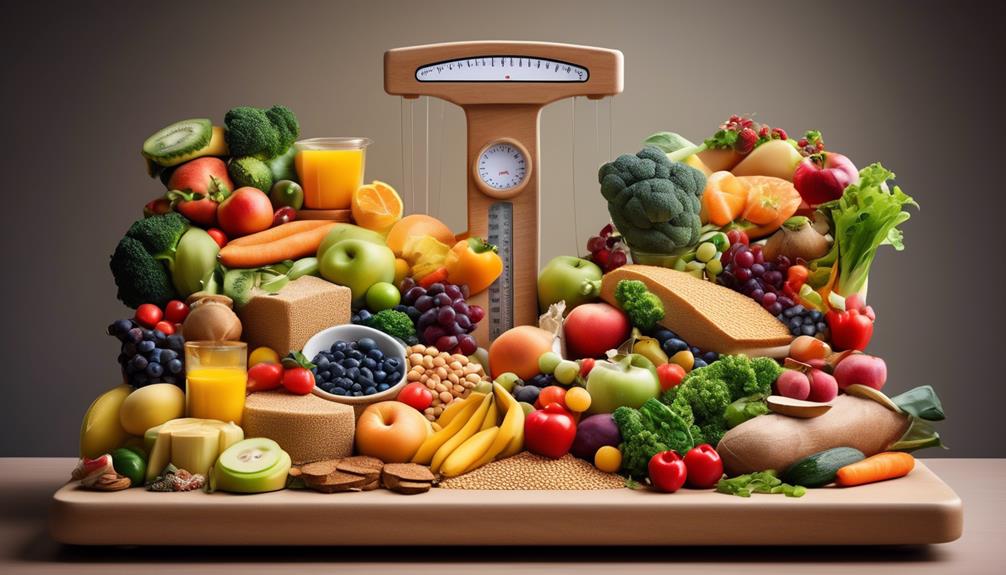
Fat Dieting Myths: Unveiling the Truth
What You Should Know About Fat Dieting Myths
- Fat-free does not always mean healthier, lower in calories, or better for weight management.
- Some reduced-fat foods replace fat with added sugar, sodium, or other highly processed ingredients.
- Healthy fats can support fullness, nutrient absorption, skin health, and overall balance in your diet.
- Reading the full nutrition panel matters more than trusting the front of a package.
- Moderation, realistic habits, and informed choices are usually more sustainable than extreme dieting.
Have you ever heard that 95% of people who go on a diet regain the weight they lost within 1 to 5 years? It is a striking statistic, and one reason this may happen is that many people follow confusing advice built on myths rather than practical, balanced habits.
The world of fat dieting is full of mixed messages. Shoppers often see labels like “fat-free,” “low-fat,” or “guilt-free” and assume those products automatically support better results. In reality, the full picture is usually more nuanced.
If you want to make more informed choices, this guide breaks down common fat dieting myths in a clear, practical way. The goal is not to promote restriction, but to help you understand labels, ingredients, portion sizes, and the role of healthy fats in a more balanced lifestyle.
Key Takeaways
- Fat-free labels can be misleading and may include added sugars or other calorie-dense ingredients.
- Not all fats are the same, so it helps to distinguish between saturated, trans, and unsaturated fats.
- Healthy fats play an important role in energy, brain function, skin wellness, and nutrient absorption.
- Looking beyond the packaging and focusing on ingredients, portions, and overall diet quality matters most.
The Allure of Fat-Free Labels
A quick look at how diet myths can shape the way we view fat, calories, and food labels.
You may have been drawn to products marked “fat-free” because they seem like the safer or slimmer option. That reaction is understandable. For years, people were taught to fear fat without always being told what replaces it when it is removed.
Here is the issue: when manufacturers reduce fat, they often add sugar, starches, or flavour enhancers to maintain taste and texture. That means a fat-free product can still be high in calories and may not be the most satisfying option.
A simple definition helps here. A fat-free food is a product marketed as having little or no fat per serving. A healthy food choice, however, is one that offers a balanced nutritional profile and fits your needs, eating habits, and goals. Those are not always the same thing.
Trust note: Labels can be useful, but they should never be the only reason to buy a food or wellness product. Reading the ingredient list and full nutritional panel usually gives a more accurate picture.
Decoding the Calorie Myth
One of the most common misconceptions is that fat-free automatically means low-calorie. It does not.
Calories come from more than just fat. Carbohydrates, proteins, added sugars, and serving size all affect the total energy value of a food. A snack marketed as low-fat may still be calorie-dense if it contains lots of sugar or if its “serving size” is unrealistically small.
In practical terms, this means a shopper could feel virtuous choosing a fat-free product and still consume more calories than expected. It also means the product may be less filling, increasing the chance of eating more later.
- Fat-free packaging can create a “health halo” that encourages overeating.
- Added sugars and refined ingredients may raise the calorie count even when fat is reduced.
- Overall nutrition quality matters more than a single headline claim on the front of the pack.
Direct Answer: Is low-fat always better for weight loss?
No. A low-fat or fat-free product is not automatically better for weight management. The full food profile, portion size, ingredient quality, and how satisfied you feel after eating all matter. Sustainable choices usually come from balance, not extremes.
Understanding Fats in Our Diet
Fats have been misunderstood for a long time. The truth is that your body needs fat for many everyday functions, including absorbing certain vitamins and supporting normal body processes.
Types of Dietary Fats
Not all fats are created equal. Understanding the basic categories can make shopping and meal planning much easier.
- Unsaturated fats: Often found in foods like avocados, olive oil, seeds, and nuts. These are commonly included in balanced eating patterns.
- Saturated fats: Found in some animal products and certain processed foods. These are best considered in the context of your total diet.
- Trans fats: Common in some highly processed foods. These are generally the least desirable type of dietary fat.
When it comes to fat dissolving product categories or broader weight-related shopping, it is still important to understand that supportive lifestyle habits and informed decision-making remain essential. Products and routines should be chosen carefully, and professional guidance may be appropriate depending on the category.
Health Impact of Fats
Healthy fats can help with fullness, which may make a balanced eating plan easier to stick to. They also support skin health, which is one reason beauty-conscious shoppers often look at diet quality as part of a broader self-care routine.
By contrast, relying heavily on ultra-processed foods with misleading claims can make it harder to understand what you are really eating. This is why whole-food thinking often works better than label-driven thinking.
Recommended Fat Intake
There is no one-size-fits-all number that suits everyone in every situation. Your age, goals, preferences, and lifestyle all play a role.
What matters most for everyday shoppers is this: including moderate amounts of healthy fats in a balanced diet can be part of a practical approach to long-term wellness.
Helpful buying reminder
If you are shopping online in South Africa for wellness, beauty, skincare, or aesthetic categories, read each product description carefully. Product types, intended use, and suitability can vary, and no product is right for everyone.
The Cholesterol Confusion
Cholesterol is another topic that often gets simplified too much. Many people assume all cholesterol-related concerns come directly from eating foods that contain cholesterol. In reality, the full picture is more complex.
Cholesterol and Heart Health
For many people, the type of overall diet matters more than focusing on one nutrient in isolation. Highly processed foods rich in trans fats and excessive saturated fats may be more important to watch than obsessing over a single cholesterol number on a label.
Dietary Cholesterol Sources
Dietary cholesterol comes from certain animal-based foods, but many people benefit more from paying attention to the quality of their overall eating pattern. Whole foods, balanced portions, and fewer heavily processed products often support more informed choices.
Cholesterol Level Management
If cholesterol is a personal concern, it is wise to get individual guidance from a qualified professional. This article is educational only and does not replace medical advice. What matters here is understanding that “fat-free” packaging alone is not a reliable shortcut to better health.
Beyond the Front Label
One of the most useful habits any shopper can develop is reading past the front of the package.
Marketing terms like “reduced-fat,” “light,” or “natural” can influence buying decisions, but they do not always tell you how processed the product is, how much sugar it contains, or whether the portion size is realistic.
To compare products better, check:
- serving size
- total calories per serving
- added sugars
- sodium content
- ingredient order
- overall balance of protein, fibre, and fat
The Balance in a Healthy Diet
Balance is less glamorous than extreme promises, but it tends to be much more practical. A healthy diet usually includes a combination of nutrient-dense foods, controlled portions, and realistic habits that you can maintain.
Nutrient-Rich Food Choices
Fruit, vegetables, whole grains, lean proteins, and healthy fats all have a place in a balanced approach. Rather than cutting out entire food groups, many people do better when they prioritise overall quality and consistency.
Beauty and wellness often overlap. For people interested in self-care beyond food, Foxy Beauty also offers categories such as skincare and skin boosters in South Africa. As always, product descriptions should be reviewed carefully, and professional-use items should be approached responsibly.
Portion Control Strategies
Portion control is not about punishment. It is a simple tool for awareness.
| Portion Control Strategies |
|---|
| Use smaller plates and bowls to manage portions more naturally. |
| Measure serving sizes occasionally to improve awareness. |
| Fill half your plate with vegetables when possible. |
| Eat slowly so your body has time to register fullness. |
| Plan and pack snacks to reduce mindless eating. |
Navigating Nutritional Information
Many people find nutrition labels confusing, and that is completely understandable. Packaging is designed to catch your eye quickly, while the more useful details often appear in smaller print on the back.
A helpful approach is to compare similar products side by side. When you do that, it becomes easier to spot which product is higher in sugar, lower in fibre, or more processed overall.
This also applies to online shopping. Whether you are browsing general wellness items or exploring categories like fat burners in South Africa, it is worth reviewing ingredients, directions, intended use, and important product notes before making a purchase. Individual experiences may vary, and not every option suits every shopper.
The Role of Moderation
Moderation is one of the least exciting messages in diet culture, but it is often one of the most reliable. All-or-nothing thinking can create a cycle of restriction, frustration, and rebound habits.
Moderation allows room for enjoyment, flexibility, and more realistic long-term choices. It also supports a healthier relationship with food because it does not depend on guilt or perfection.
In simple terms, moderation means enjoying a range of foods without turning any single label, rule, or trend into the entire plan.
Empowering Informed Choices
Making better choices starts with understanding what you are seeing on the shelf or in an online store. A fat-free label can be one piece of information, but it is not the whole story.
If a product is lower in fat but much higher in sugar, it may not support your goals as well as a more balanced option. If a wellness product sounds appealing but lacks clear information, that is a sign to slow down and read more before buying.
- Look beyond marketing claims and focus on the full ingredient list.
- Choose according to your own goals, lifestyle, and preferences.
- Remember that results and experiences vary from person to person.
Embracing Healthy Fats
Healthy fats deserve a better reputation. In balanced amounts, they can help with satisfaction, support normal body functions, and contribute to a more enjoyable eating pattern.
Examples include avocados, nuts, seeds, olive oil, and other minimally processed fat sources. These foods often fit far more naturally into a sustainable routine than highly marketed “diet” foods that leave you hungry or unsatisfied.
For shoppers interested in broader self-care and aesthetic categories, Foxy Beauty is an online beauty and aesthetic product store in South Africa offering beauty, skincare, and specialised collections. If you are exploring more advanced categories such as lipo injections or related body-focused products, responsible use and qualified guidance are important. This article is educational and does not replace professional or medical advice.
Frequently Asked Questions
What is the real science behind weight loss?
In general, weight change is influenced by energy balance, food quality, consistency, activity, and individual factors. There is rarely one single “secret,” which is why balanced habits tend to be more sustainable than extreme dieting.
What is the honest way to lose fat?
A practical approach usually includes balanced meals, realistic portions, regular movement, and consistency over time. Avoiding misleading labels and choosing nutrient-dense foods can help support smarter everyday decisions.
What is your fat loss secret?
There is no magic shortcut. A more reliable strategy is to focus on sustainable routines, balanced nutrition, and choices that fit your lifestyle. Products, supplements, or aesthetic categories should always be researched carefully.
What is the biggest secret to weight loss?
The biggest “secret” is usually consistency. Small, realistic decisions repeated over time often work better than restrictive plans that are difficult to maintain.
More Answers Shoppers Commonly Search For
Are fat-free foods always healthier?
No. Some fat-free foods contain added sugar, starches, sodium, or flavour enhancers. It is better to judge a food by its full nutrition profile, ingredients, and how it fits into your overall eating pattern.
Do healthy fats make you gain weight?
Healthy fats can be part of a balanced diet. Portion size still matters, but these foods may help with fullness and satisfaction, which can support more mindful eating habits.
Why do low-fat products sometimes have more sugar?
When fat is removed, manufacturers sometimes add sugar or similar ingredients to improve texture and taste. This is why checking the ingredient list and sugar content is so important.
How can I compare wellness or aesthetic products more confidently online?
Read the full product description, look at the category carefully, and consider whether the item matches your personal goals and needs. For professional-use products, qualified guidance is important, and results may vary between individuals.
Is this article medical advice?
No. This content is for education only. It does not diagnose, treat, or replace professional medical guidance. If you are considering specialised wellness or aesthetic products, seek appropriate professional advice where relevant.
Proper Usage and Storage of Related Products
If you choose a wellness or body-focused product, responsible handling matters. Always follow the instructions supplied with the item and read the listing details before use.
- How to use: Use products only as directed on the packaging or product page. If a product is intended for professional use, seek qualified guidance rather than relying on assumptions.
- How to clean: If a product includes a reusable applicator or accessory, keep it clean according to the manufacturer’s care guidance and allow it to dry fully before storing.
- How to store: Store items in a cool, dry place away from direct sunlight and extreme temperatures unless the product instructions state otherwise.
Understanding Misleading Labels and Making Informed Choices
- Hidden sugar content: Some fat-free foods replace fat with sugar, which can change the overall nutritional value.
- Artificial additives: Reduced-fat products may contain additives or preservatives that make the label sound healthier than the ingredient list suggests.
- Portion control matters: Even foods marketed as healthy can contribute to excess intake when portions are ignored.
The Importance of Healthy Fats for Everyday Weight Management Choices
- Satiety and fullness: Healthy fats can help meals feel more satisfying.
- Diet quality: Including balanced fat sources may support a more sustainable and enjoyable eating pattern.
- Overall balance: Fats work best as part of a complete routine that also includes fibre, protein, movement, and realistic expectations.
Helpful Resources
- Harvard Health – The Truth About Fats: Bad and Good
- American Heart Association – Understanding Fats and Their Role in Your Diet
- WebMD – Good Fats vs. Bad Fats
What Readers Appreciate
⭐⭐⭐⭐⭐
“I liked that this explained the difference between low-fat marketing and actual nutrition in a clear way. It felt balanced and not pushy.”
⭐⭐⭐⭐⭐
“Helpful for comparing products online in South Africa. I appreciated the reminder to read descriptions carefully before buying.”
⭐⭐⭐⭐⭐
“The article made the topic feel less confusing. It gave realistic guidance without making exaggerated promises.”
Final Thoughts
The truth behind fat dieting myths is simple: labels can be helpful, but they are not the full story. The best choices usually come from understanding ingredients, portions, and the role of healthy fats in a balanced lifestyle.
If you are exploring body-focused, wellness, beauty, or aesthetic products online in South Africa, take time to compare options carefully. Foxy Beauty offers a wide range of beauty, skincare, aesthetic, and self-care categories, and shoppers should always review product details closely before purchasing.
For relevant body and contour-focused options, you can explore the Foxy Beauty fat dissolving collection and read each listing carefully to decide what may suit your needs. Results and experiences vary, professional products should be used responsibly, and qualified guidance is important where relevant.
Editorial Note
Written for Foxy Beauty customers looking for clear, helpful beauty, skincare, aesthetic, and self-care guidance in South Africa. This content is created to help shoppers understand product categories, compare options, and make more confident beauty buying decisions.
Important trust and safety reminder:
Foxy Beauty is an online beauty and aesthetic product store in South Africa. Customers should read product descriptions carefully before buying, especially for specialised categories.
Skincare and beauty routines should be chosen according to individual needs, and results may vary from person to person. Professional products should be used responsibly, and qualified guidance should be sought where relevant.
This article is educational and does not replace medical advice. It does not diagnose, treat, or recommend any treatment plan.